Numbness, tingling or burning in your hands and feet can be frustrating during or after chemotherapy.
These symptoms may be related to chemotherapy-induced peripheral neuropathy (CIPN), a type of nerve problem that can occur with some cancer treatments.
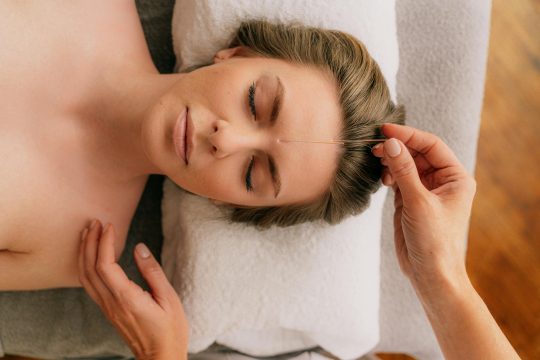
Some people consider acupuncture as a complementary therapy to support their wellbeing and manage symptoms alongside conventional cancer care.
If you are considering acupuncture for chemotherapy-induced peripheral neuropathy in Chatswood, here is what you should know.
What Is Chemotherapy-Induced Peripheral Neuropathy?
Peripheral neuropathy occurs when the nerves outside the brain and spinal cord are affected.
Certain chemotherapy medicines can cause nerve-related symptoms, particularly in the hands and feet.
Common symptoms include:
- Numbness
- Tingling or pins and needles
- Burning sensations
- Nerve-related pain
- Increased sensitivity
- Muscle weakness
- Changes in balance or coordination
Symptoms can occur during chemotherapy or continue after treatment has finished. The severity and duration vary from person to person.
Can Acupuncture Help With CIPN?
Acupuncture has been studied as a complementary approach for chemotherapy-related peripheral neuropathy.
Some studies suggest that acupuncture may help with symptoms such as nerve-related pain, numbness or tingling. However, research is still developing, and the evidence is not strong enough to say that acupuncture will work for everyone.
For this reason, acupuncture should be considered complementary care, not a treatment or cure for cancer or nerve damage.
The appropriate approach depends on your symptoms, medical history and current cancer treatment.
What Does CIPN Feel Like?
People experience chemotherapy-related nerve symptoms differently.
You may notice:
Numbness – reduced feeling in your fingers, toes, hands or feet.
Tingling – a pins-and-needles sensation that comes and goes.
Burning or sensitivity – your hands or feet may feel unusually sensitive or uncomfortable.
Nerve-related pain – some people describe sharp, shooting or electric-like sensations.
These symptoms can sometimes interfere with sleep, walking, work or everyday activities.
If your symptoms are new or getting worse, let your oncology team know.
Can I Have Acupuncture During Chemotherapy?
Some people consider acupuncture while receiving chemotherapy, but it may not be appropriate for everyone.
Your practitioner should know about your:
- Current cancer treatment
- Medications
- Recent surgery
- General health
- Any relevant blood test results
- Current symptoms
It is also important to discuss complementary therapies with your oncologist or treating doctor.
Cancer Council Australia recommends talking with your doctor before starting acupuncture or another complementary therapy.
Why Is Individual Assessment Important?
Not all numbness or tingling is caused by chemotherapy.
Peripheral neuropathy can also have other causes, including diabetes, nutritional deficiencies, certain medicines and other medical conditions.
Your symptoms should therefore be assessed rather than automatically assumed to be chemotherapy-related.
An acupuncture consultation can take into account your symptoms, health history and current medical treatment when considering whether acupuncture is appropriate.
When Should You Speak to Your Doctor?
Speak with your medical team if you develop:
- New or worsening numbness
- Significant weakness
- Difficulty walking
- Balance problems
- Severe or rapidly increasing pain
- Symptoms affecting your daily activities
Your medical team can assess the symptoms and discuss appropriate management.
Acupuncture should not delay medical assessment or replace conventional cancer treatment.
Acupuncture for CIPN in Chatswood
If you are looking for acupuncture for chemotherapy-induced peripheral neuropathy in Chatswood, Ming Yi Tang TCM Centre provides individualised acupuncture consultations based on each person’s health history and current circumstances.
Acupuncture is offered as complementary care alongside conventional cancer treatment, rather than as an alternative to medical cancer care.
If you are currently receiving cancer treatment, we encourage you to continue working with your oncology team and discuss any complementary therapies with your doctor.
Frequently Asked Questions
Can acupuncture treat chemotherapy-induced peripheral neuropathy?
Acupuncture has been studied as a complementary approach for CIPN. Some research suggests it may help certain symptoms, but the evidence is still developing and individual responses vary.
Can acupuncture help with numbness and tingling after chemotherapy?
Numbness and tingling are common symptoms of peripheral neuropathy. Acupuncture may be considered as complementary care for some people, depending on their individual circumstances.
Can I have acupuncture while receiving chemotherapy?
It may be possible for some people, but suitability depends on your treatment, medications and overall health. Always discuss complementary therapies with your treating medical team.
Is acupuncture a replacement for cancer treatment?
No. Acupuncture should not replace chemotherapy, radiotherapy, surgery or other conventional cancer treatment.
Where can I find acupuncture for CIPN in Chatswood?
Ming Yi Tang TCM Centre provides acupuncture consultations in Chatswood for people considering complementary care during or after cancer treatment.
Chemotherapy-induced peripheral neuropathy can affect sensation, comfort and everyday life.
If you experience numbness, tingling, burning or nerve-related discomfort during or after chemotherapy, speak with your medical team.
For some people, acupuncture may be considered as part of complementary care alongside conventional cancer treatment.
If you are considering acupuncture for chemotherapy-induced peripheral neuropathy in Chatswood, an individual consultation can help determine whether it is appropriate for your circumstances.